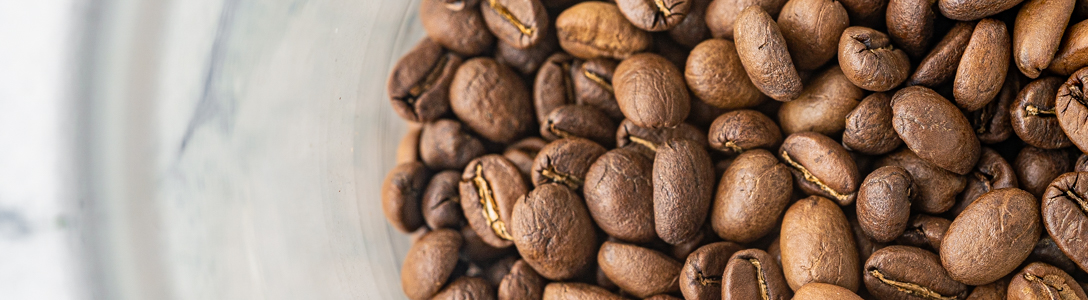
My takes & learnings from my ongoing journey in coffee tasting.
It always sounded intimidating to me, when I heard coffee roasters (their bags), experts and influencers mention about the specific fruit or nut they could taste in the coffee. For a long time I was very under-confident about my coffee tasting skills. All I could do was determine if I like it or not and if it blew my mind.
All I can taste, is coffee. Once in a coffee tasting workshop, my fellow participant mentioned the brand of biscuit he could taste in one of the coffee samples, whereas I was blanking out to state anything. Our guide was encouraging me to write whatever flavor notes would come to mind. But nothing came to me. This happened for all 4 samples of coffee. I could tell the coffees were different, but nothing beyond that.
How to taste better? After a few more years of brewing, drinking and learning about coffee, I realised that in order to be able to pinpoint the flavours, we need some deliberate effort in areas of mindfulness, knowledge, exploration and practice. I will expand a bit on the points and my understanding about them.
- Be mindful while tasting anything. When we are eating or drinking anything, it’s important to pay attention to the flavours, instead of rushing through our food or simultaneously processing them with tv, social media or work. This helps us to be more mindful in general of our sensory perception and strengthens our flavour repository (or reference) that can be recalled while tasting coffee. A Q-grader ( certified professional coffee taster) once told me, “We Q-graders don’t eat, we taste”.
- Be mindful while drinking coffee. Coffee usually has a much milder/subtler intensity of the flavors that one needs to be able to detect and recall from the taste repository. Hence being mindful is super important.
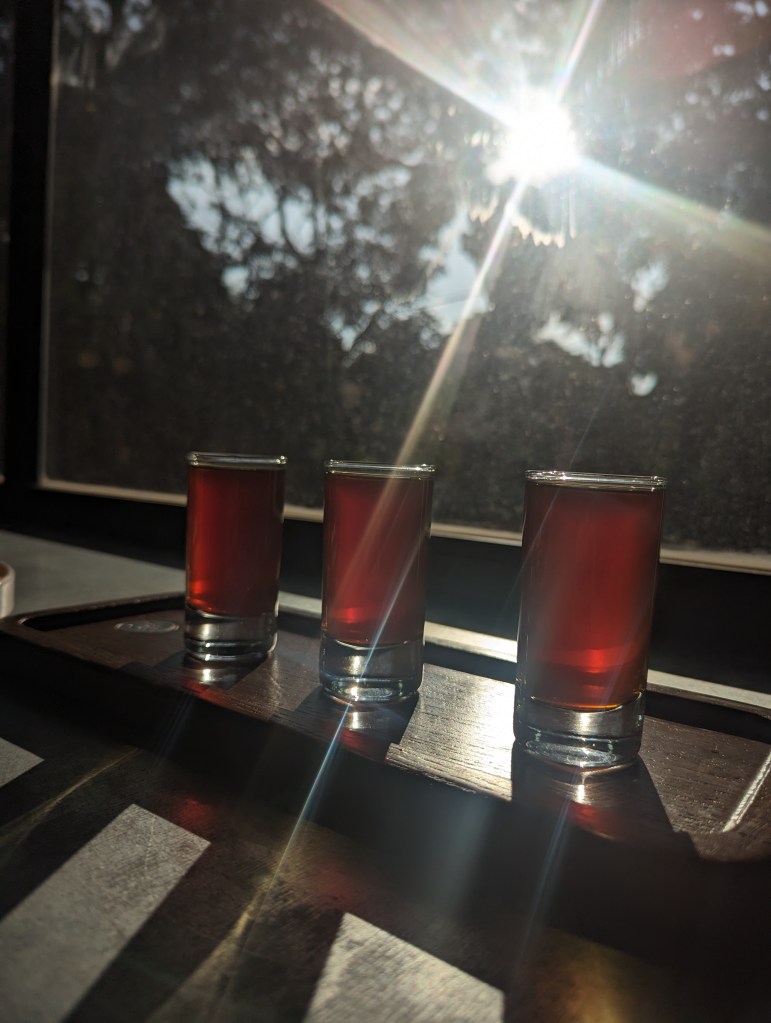
- Taste coffees side by side and compare. We can learn much by comparing and trying to notice the differences. These differences can be identified in the lines of certain parameters. Industry scores coffee out of 10 parameters. As an amateur we can just follow 3-5 parameters – sweetness, acidity, aftertaste, aroma, flavours. Think about each while trying to notice the difference. Is a coffee sweeter than the other, is the smell / flavor fruitier than the other (or is it more like fruit or more like nuts), is aroma or aftertaste more intense than the other and so on. Professionals conduct cupping sessions (for such tasting), where this process is standardized along with a standardized evaluation sheet. It is fun to try it at home with 2-3 coffees and make notes of observations without any pressure.
- Know the tasting framework and language. This helps in knowing and leveraging the framework to taste, e.g. mouthfeel or after-taste. In a coffee workshop, I was asked to note my observations into many parameters including things like aftertaste. That’s when I started noticing some coffees had a definite lingering taste after the sip, while others didn’t. Learning the coffee language (key words) helps establish the coffee tasting mind-map for ourselves and helps communicate with others. In the coffee industry, “aroma” is used to describe the smell of brewed coffee whereas “fragrance” is used for dry coffee. Knowing these helps communicate with others better. There is also the structure and standard flavor notes from the Coffee Taster’s Flavor Wheel and Sensory Lexicon, that Q-Graders and Coffee professionals refer to.
- Learn from the community and the experts. Reading books, watching videos, attending workshops and connecting with fellow enthusiasts help. I have read books, watched videos on ‘coffee tasting / cupping’, attended free and paid workshops, and chatted with fellow enthusiasts. I will share the references at the end.
- Drink a lot of different types of coffee. For a few years in the middle, I was always buying medium roast profile, washed-coffee, from 2-3 regions of India and from a select few roasters. This led to a narrow exposure of coffee experience. Since the last couple of years, I am gradually expanding to coffees of different origins, processes, roasters, roast profiles. My experience with international coffee, light roast, and different processes have given me much diverse experience.
It is optional. If we are really passionate to find out, we can do some deliberate practice, and start identifying the basic flavours like – fruity, nutty, floral etc. Then later on the exact fruit, nut, flower and more. All this effort is optional, and we can enjoy the coffee without doing any of it as well.
As of now, I am often able to assess if something is fruity or not, whether something has an aftertaste or not. I still can’t exactly tell which fruit or nuts or spices. At rare instances, I would jump with excitement when a coffee tasted like caramel, bael fruit (wood apple), etc. It felt so random as Bael fruit was neither my favorite nor had I eaten it in the last 10 years or so, but I could swear by the taste. Despite the randomness, such moments where we identify something so specifically is uplifting, encouraging and satisfying. It’s like suddenly remembering the song name you were trying to recollect from the tune or the name of the person you knew from long back.
Chuck the flavor notes, love the coffee. What I realised is that, we may not be able to recognize the flavor notes on the coffee bags in our cup or something close to them. It’s best to forget about it, and enjoy the cup of coffee at hand.
In the end, what matters is, if we liked the coffee or not and if it blew we mind.…. and we (and only we) can tell that.
Here are some of the resources I learned from:
- Jessica Easto‘s Book How to Taste Coffee. A well-researched and carefully written book that doesn’t leave anyone behind in this journey. I enjoyed the books depths without feeling lost in advanced jargons.
- James Hoffman‘s vlogs (1) A beginner’s guide to coffee tasting (2) How to cup (taste) coffee at home
- Aramse‘s vlog A Beginner’s Guide To Coffee Tasting | Palate Training 101
- Reference artefacts Sensory Lexicon & Coffee Taster’s Flavor Wheel by World Coffee Research & Speciality Coffee Association.
- Workshops – There are many workshops running across Indian by various roasters and coffee academies.
If you liked what I write you might want to follow my journey on Instagram @journal_of_a_coffee_enthusiast.
 Journal of a Coffee Enthusiast